Sunday, 24 April 2011

Controversies

There are a few popular idease that I am skeptical about. As an ex-scientist I'm well aware that data can be massaged to tell you exactly what you want to hear. However, when research that sounds controversial is published, it still makes for interesting reading and should be given due consideration.

There are many controversial issues around food. For example, the theory that artificial colours cause hyperactivity. In the April issue of Clinical Pediatrics, Dr Laura Stevens and co-workers reflect on 35 years of research looking for a causative link between artificial food colours and attention deficit hyperactivity disorder (ADHD).1 It has been shown that a small subgroup of children respond to artificial colours, when challenged with at least 100mg. [Note: Typically just 10 - 50 mg is used in a kg of food 2] The authors note that recently, 2 large studies demonstrated behavioral sensitivity to artificial food colourings and benzoate in children both with and without ADHD. However, the study does start off stating that artificial food colors have not been established as the main cause of attention-deficit hyperactivity disorder.

At the University of Osnabrück in Germany, Dr Bodo Melnik has suggested a relationship between milk and type 2 diabetes. 3 This is a proposed mechanism only and is based on the idea that drinking milk after weaning may cause signalling in the pancreas. This might overstimulate β-cell proliferation in the pancrease, and ultimately will speed up β-cell senescence. Both β-cell proliferation and sensecence are hallmarks of type 2 diabetes. The author also mentions a link with Alzheimer's Disease - this is because type 2 diabetes has been linked to an increased risk of Alzheimer's disease. 4 Of course, milk has also been shown to be an exceptional recovery drink for sportsmen, giving even better results than special sports drinks. 5,6

The latest sports-superfood is cherries. Researchers at London South Bank University have shown that Montmorency cherry juice consumption improves the recovery of isometric muscle strength after intensive exercise. 7 The researchers suggest that the cherries might have an anti-oxidative effect due to polyphenolic compounds including flavonoids and anthocyanins. [Interestingly, blueberries, chokeberries, European blackcurrants, elderberries and black raspberries contain significantly more flavonoids and anthocyanin than cherry 8]

On a non-food note, some researchers in China and the USA have published a case-control study investigating the link between breast cancer and sleeping with the light on.9 Subjects were identified in Connecticut, USA, and questioned with respect to their sleeping patterns and bedroom light environment. A non-significantly increased risk of breast cancer was observed among postmenopausal women for those keeping lights on while sleeping. This non-significant increased risk was also observed in women who reported mainly sleeping in the daytime and those not drawing the curtains while sleeping at night. The researchers conclude that this study suggest a potential increased risk of breast cancer associated with domestic exposure to light at night. Another group in Israel found a positive relation between breast cancer and light at night, and suggest that this may be due to disruption of the body's circadian clock.10 This correlation has not been found with lung cancer. 11


1 Stevens LJ, Kuczek T, Burgess JR, Hurt E, Arnold LE. (2000) Dietary Sensitivities and ADHD Symptoms: Thirty-five Years of Research. Clin Pediatr (Phila). 50: 279-93. Epub 2010 Dec 2.

2 http://www.understandingfoodadditives.org/pages/Ch2p1-3.htm

3 Melnik BC. (2011) Milk signalling in the pathogenesis of type 2 diabetes. Med Hypotheses. 76: 553-9. Epub 2011 Jan 19.

4http://www.nature.com/nrneurol/journal/v2/n3/full/ncpneuro0124.html

5 Pritchett K, Bishop P, Pritchett R, Green M, Katica C. (2009) Acute effects of chocolate milk and a commercial recovery beverage on postexercise recovery indices and endurance cycling performance. Appl Physiol Nutr Metab. 34:1017-22.

6 Cockburn E, Stevenson E, Hayes PR, Robson-Ansley P, Howatson G. (2010) Effect of milk-based carbohydrate-protein supplement timing on the attenuation of exercise-induced muscle damage. Appl Physiol Nutr Metab. 35: 270-7.

7 Bowtell JL, Sumners DP, Dyer A, Fox P, Mileva KN. (2011) Montmorency Cherry Juice Reduces Muscle Damage Caused By Intensive Strength Exercise. Med Sci Sports Exerc. Jan 12. [Epub ahead of print]

8 http://www.mivelle.hu/sambucol/Flavonoid%20and%20Anthocyanin%20Content.pdf

9 Li Q, Zheng T, Holford TR, Boyle P, Zhang Y, Dai M. (2010) Light at night and breast cancer risk: results from a population-based case-control study in Connecticut, USA. Cancer Causes Control. 21: 2281-5. Epub 2010 Oct 7.

10 Kloog I, Portnov BA, Rennert HS, Haim A. (2011) Does the modern urbanized sleeping habitat pose a breast cancer risk? Chronobiol Int. 2: 76-80.

11 Kloog I, Haim A, Stevens RG, Barchana M, Portnov BA. (2008) Light at night co-distributes with incident breast but not lung cancer in the female population of Israel. Chronobiol Int. 25: 65-81.

Sunday, 27 March 2011

Taurine protects a donor heart

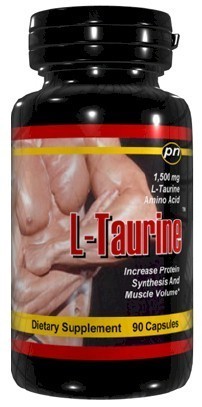
Some of us may know taurine in the following forms:


However, recent research has shown that taurine can protect donor hearts from being damaged by blood deprivation.1 Hearts from rats that were fed taurine showed less damage compared to hearts from rats fed a normal diet, when hearts were removed and kept on ice for 5 hours.

This study also pointed out that taurine infusion can protect the heart muscle if supplied before coronary artery bypass surgery and that dietary taurine can protect the heart from damage caused by heart attack.

Please note: energy drinks also have other ingredients which may not be good for your heart, so they definitely can't be considered a medicine!


1Mehmet A Sahin, Orhan Yucel, Adem Guler, et al. (2011) Is there any cardioprotective role of Taurine during cold ischemic period following global myocardial ischemia? Journal of Cardiothoracic Surgery 6: 31

Source

Monday, 14 March 2011

More good bacteria

Not all bacteria are bad, as we know. There are "good bacteria" that live in our gut and help us to digest our food. Now, bacteria have been harnessed to help doctors and clinicians as a vector to treat or prevent disease. This bacterial gene therapy is known as "bactofection".

Peter Celec and his team in the Slovak Republic researched the usage of bacteria to treat inflammatory bowel disease.1 The Salmonella bacteria carried genes for an antioxidant (superoxide dismutase) and a protein that stimulates the immune response (monocyte chemoattractant protein-1). Bactofection was applied to mice suffering from inflammatory bowel disease (colitis), and alleviated colitis symptoms in these mice when compared to untreated mice.

Listeria has been tested as a vector to deliver therapeutic genes and proteins to cancer cells and immune cells.2 Listeria is a particularly good candidate as it is very efficient at entering host cells, and can move from cell to cell without having to exit it anywhere. Moreover it is safe and effective in clinical trials. Anti-cancer genes can be targeted to tumours by packaging them inside this pathogen.


Salmonella has also been used as a vehicle to treat cancer. 3 Both Listeria and Salmonella infect and can survive in antigen presenting cells (cells that form part of the immune system). They can be engineered to express tumour-like proteins which stimulates the body's immune system to break tolerance against tumour cells that look a lot like "self" to the body.


Image: Salmonella enterica serovar typhimurium


1Palffy R, Gardlik R, Behuliak M, Jani P, Balakova D, Kadasi L, Turna J, Celec P. Salmonella-mediated gene therapy in experimental colitis in mice. Exp Biol Med (Maywood). (2011) 236:177-83.

2Tangney M, Gahan CGM. Listeria monocytogenes as a Vector for Anti-Cancer Therapies. Current Gene Therapy (2010) 10: 46-55.

3Paterson Y, Guirnalda PD, Wood LM. Listeria and Salmonella bacterial vectors of tumor-associated antigens for cancer immunotherapy. Seminars in Immunology (2010) 22: 183-189.


Monday, 28 February 2011

Gold nanocages

Prof. Younan Xia and his team invented gold nanocages (see below) for therapeutic applications. In a review1 published in 2010, he explained how gold nanoparticles have gained an increasing interest due to their plasmonic characteristics. In particular, the metal can convert light into heat. This heat can be used for different applications, such as selectively releasing the drug contents of the nanocarriers once they have reached their target, or for photothermal therapy, where the heat generated by the nanoparticles destroy the cancer cells to which they are targeted.


1
Cobley CM, Au L, Chen J, Xia Y. Targeting gold nanocages to cancer cells for photothermal destruction and drug delivery. Expert Opin Drug Deliv. 7: 577-87 (2010)

Sunday, 23 January 2011

The spirit is willing but the flesh is weak

If you're struggling to lose weight, it might actually be due to a chemical imbalance in your brain.

Researchers at the National Institutes of Health have shown that some obese individuals might have differences in the reward areas of the brain, compared to non-obese individuals.1 The ability to resist the urge to eat needs to be stronger than the expected feeling of reward when we do eat. Some people seem to have an impairment in the brain area associated with reward sensitivity, and therefore their willpower is overwhelmed by the need to get that food reward.

[I wish this paper were open access as I'd love to know whether the researchers think one could break the conditioned response!]


1Volkow ND, Wang GJ, Baler RD. Reward, dopamine and the control of food intake: implications for obesity. Trends Cogn Sci. 15:37-46 (2011).

Monday, 10 January 2011

Placebos as medicine

Did you know that your doctor may be giving you a placebo for your niggle? Well they very well may be. Antibiotics for flu? There you have one example already.

A recent survey was done by Kermen and co-workers1 to determine how frequently American physicians prescribe placebos.Fifty-six percent (56%) of surveyed physicians reported prescribing or administering placebos in their practices, with younger physicians being a lot more likely to prescribe placebos than older physicians. The most frequently-used placebo was antibiotics (for non-bacterial diagnoses, 40%). The second most frequently prescribed placebo was vitamines (23%), followed by herbal supplements (12%). The most common reasons for prescribing placebos were “unjustified demand for medication” (32%) and “to calm patients” (21%). Most physicians (31%) told their patients that their presription consisted of a substance that will help and not hurt, and a very honest 2% told their patients that what they were given was an actual placebo. Most physicians believe that the placebo effect is beneficial and can have real, positive results.

So, while most physicians "believe" in the placebo effect, only about half would prescribe a substance that they knew had no direct therapeutic ingredient. Of course this was a very small study, but it makes one wonder what's happening in one's own surgery. It also reiterates the strong effect that thoughts can have on health.

1 Kermen R, Hickner J, Brody H, Hasham I. Family physicians believe the placebo effect is therapeutic but often use real drugs as placebos. Fam Med. 42:636-42 (2010)
Source

Sunday, 12 December 2010

Christmas special: the weird and the wonderful

In the process of looking for hot new research topics (or just in the course of my daily working day) I find a fair amount of curious papers. So, as a final entry for the year I thought I'd post a special edition, listing a few of my favourites.

From the department of Advanced Medical Science (literally)1:

"Obesity significantly increases the difficulty of patient management in the emergency department."

With the objective to "... determine which aspects of ED management are adversely affected by patient obesity, to determine the level of obesity above which management is made more difficult and to make recommendations on how these effects might be mitigated...", this study showed that patient obesity makes it difficult to manage an emergency department. And offered no solutions.


Ever wondered if watching TV or working on your computer late at night affects your sleep? So did a couple of researchers in Brazil who investigated the "Quality of sleep among university students: effects of nighttime computer and television use."2

The internet lost out in this study as it seems to affect sleep a lot more than television. Interestingly, if you manage to use the internet untill 3am, you sleep a bit better. This blogger wonders how much of the "affected sleep" is due to online arguing...


The title of this paper says it all, really: PMS: premenstrual storm? An unusual cause of electrical storm in a young woman with vasospastic angina. 3
Never underestimate how hard it is to be a girl...


Apparently "Hearing loss in stranded odontocete dolphins and whales" 4 is a big problem. Researchers speculate that this may have somethig to do with the actual stranding. How do you measure hearing in a dolphin? Well, with great difficulty, but apparently "in all cases, a jawphone consisting of an ITC-1042 piezoceramic transducer embedded in a RTV silicone suction cup was placed on the lower jaw fat pad to deliver sound stimuli." If a response could be detected from the dolphin or whale, then that was marked as the level at which the animal could "hear". There was a strong correlation between stranding and hearing loss in some of the species. (Picture below: a hydrophone)


The brushtail possum is a major pest species of New Zealand. Some researchers are investigating a nanoparticle system containing a chemical sterilitant which could be used orally to control their numbers.5 Poor little possums.


Our last two entries are shamelessly of a scatological nature:


A woman with a history of depression presents with abdominal bloating. Her doctor sends her for a colonoscopy. It turns out she's fine, but they do find something odd. A cockroach. 6


And finally... Apparently "robotic assisted laparoscopic radical prostatectomy" is a fairly uncomfortable procedure used in prostate cancer. So a few researchers in Seattle wondered whether a suppository containing belladonna (that's deadly nightshade to me and you) and opium would help.7 And indeed it did! With no adverse events noted either!


1 Kam J, Taylor DM. Emerg Med Australas. 2010 Aug;22(4):316-23. Source

2 Mesquita G, Reimão R. Arq Neuropsiquiatr. 2010 Oct;68(5):720-5. Source

3 Li J, Zitron E, Katus HA, Becker R. Clin Res Cardiol. 2010 Nov 30. [Epub ahead of print] Source

4 Mann D, Hill-Cook M, Manire C, Greenhow D, Montie E, Powell J, Wells R, Bauer G, Cunningham-Smith P, Lingenfelser R, DiGiovanni R Jr, Stone A, Brodsky M, Stevens R, Kieffer G, Hoetjes P. PLoS One. 2010 Nov 3;5(11):e13824. Source

5 Kafka AP, McLeod BJ, Rades T, McDowell A. J Control Release. 2010 Oct 31. [Epub ahead of print] Source

6 Kumar AR, Perez JA, Miick R, Govil YK Endoscopy. 2010;42 Suppl 2:E209-10. Epub 2010 Sep 15. Source - INCLUDES FULL ARTICLE PLUS PHOTO!

7 Lukasewycz S, Holman M, Kozlowski P, Porter CR, Odom E, Bernards C, Neil N, Corman JM. Can J Urol. 2010 Oct;17(5):5377-82. Source